
Ellie Mayers ('26), a Nursing major, conducted research on the benefits and disadvantages of activity restriction during pregnancy with the mentorship of Dr. Beth Pineles (Department of Obstetrics and Gynecology). This research was supported by the Penn Undergraduate Research Mentoring Program.
As a nursing student whose ultimate goal is to become a nurse midwife, I knew I wanted to expand my knowledge of the field of women's health while learning research skills I can apply in the future. I worked with Dr. Beth Pineles, an attending physician in maternal fetal medicine at Pennsylvania Hospital. Our research focused on activity restriction and bedrest in pregnancy. For centuries, activity restriction has been the first-line treatment for preterm labor. However, guidelines of the last few decades suggest that this practice is ineffective and even harmful. Despite these guidelines, providers continue to prescribe activity restrictions. We utilized surveys to investigate the prevalence and characteristics of activity restriction recommendations in both the Penn Medicine community and across the nation. Understanding activity restriction can better equip us to prevent this harmful and unnecessary practice.
Besides gaining a deeper understanding of OBGYN clinical research, this summer brought many new connections. I didn't expect to feel so connected to and supported by my mentor, Dr. Pineles. In addition to walking me through every step of the research process, Dr. Pineles offered me many opportunities to come shadow with her on the L&D floor and learn from her own clinical practices. I know she is someone who will continue to be a mentor to me, particularly when finding a job after I graduate nursing school. The staff at the outpatient maternal fetal medicine clinic where I conducted most of my research were always willing to lend a helping hand both in my research, and also notifying me of opportunities to further my career. I was also lucky to have another PURM participant, Gladys, working with me. Research can be so intimidating and having someone to learn everything with was such a positive experience. It'll be so nice to have another friendly face on Locust this fall.
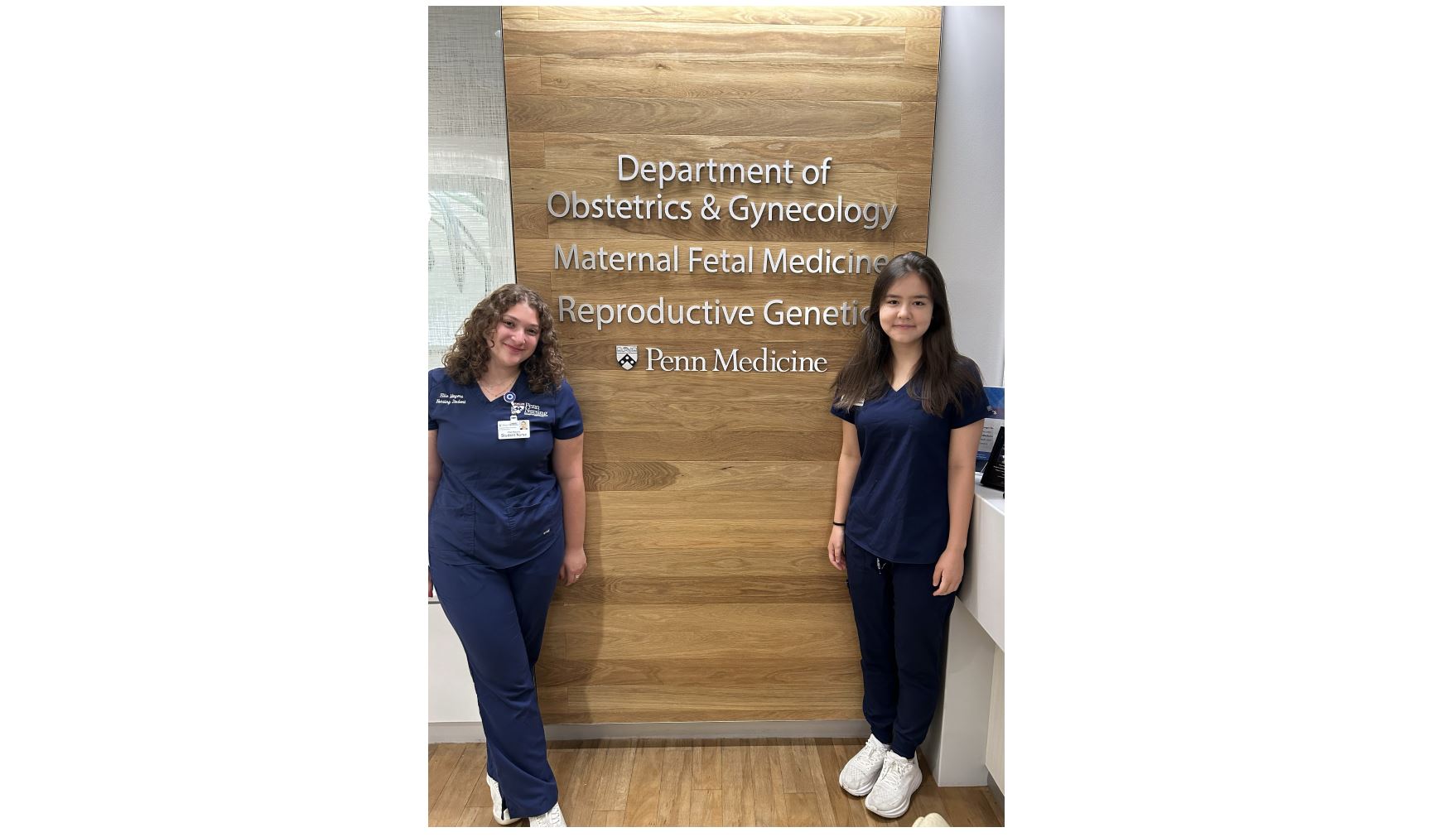
My research has taught me a ton about the field of obstetrics, but it has also taught me things about myself. While I didn't mind data entry, analysis, or crafting the surveys we gave to participants, talking to patients and the other providers on the healthcare team stood out as my favorite part of the summer. I am no stranger to conversing with patients of diverse backgrounds (it is one of the things that drew me to nursing in the first place), but this summer continued to affirm my choice to enter the nursing field. For this reason, I don't see myself giving up clinical time to take part in research. However, I would love to continue doing research on the side.
Interested in reading more first-hand accounts about undergraduate research? Check out the other experiences featured on our Student News Page and Social Media!
Related Articles

The Present Is Our History
Heejae Lee (‘28), an Economics and Psychology double major, conducted research on gender equality and policy in South Korea with mentorship from Dr. Soosun You (Political Science) This research was supported by the Penn Undergraduate Research Mentoring Program.
Where Biology Meets Architecture
Gabriella Lucarelli (’28), a dual degrees in Biology (SAS) and Economics (WH), conducted research on 3D-printed building materials made from mycelium with mentorship from Dr. Laia Mogas Soldevila (Architecture) and PhD student Sophia Chen. This research was supported by the Penn Undergraduate Research Mentoring Program.