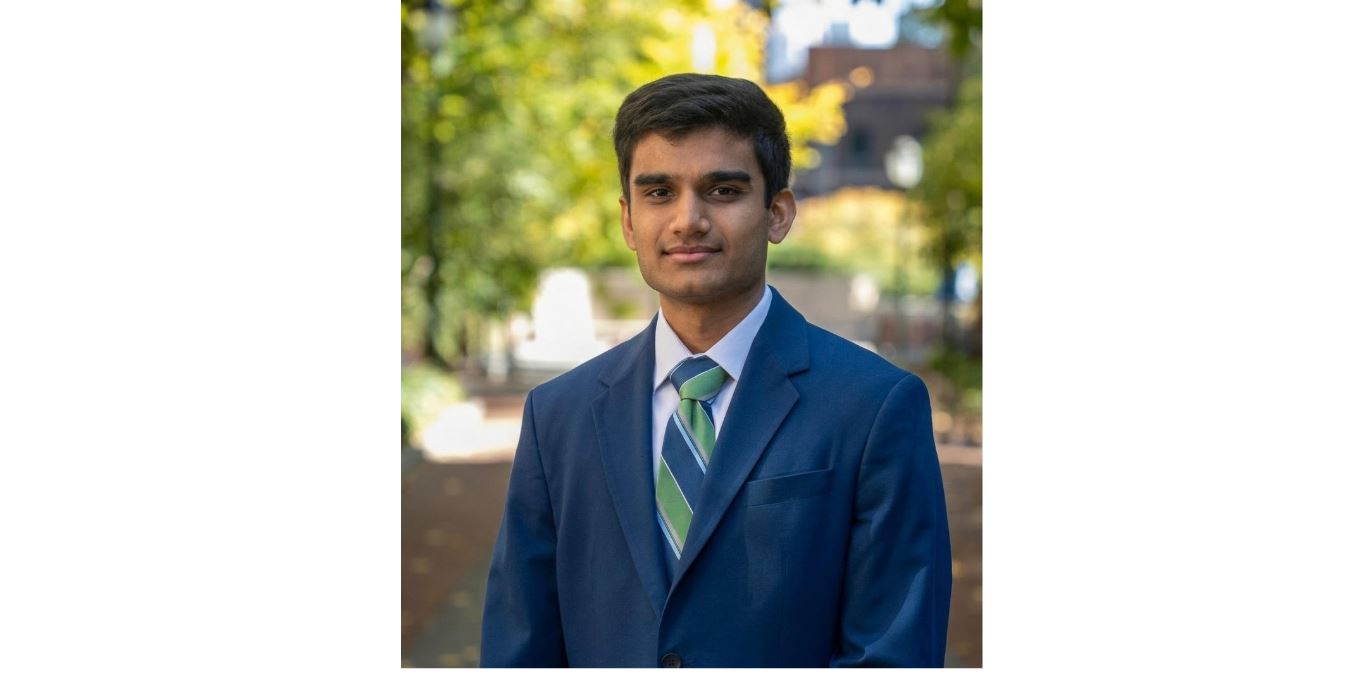
Rushil Patel (‘28), a Computer Science major, utilized computer science skills to design specialized gene panels to study neurogenerative diseases with mentorship from Dr. Yuyan Cheng (Department of Ophthalmology). This research was supported by CURF Summer Research Funding.
I had the incredible opportunity to work at the intersection of computer science and biology, focusing on designing a specialized gene panel to study neurodegenerative diseases. I was drawn to this research because it allowed me to apply my computational skills to make a tangible impact on human health. The idea of using algorithms and data analysis to help unravel the complexities of diseases like Alzheimer's and Parkinson's was both a challenge and a powerful motivator. Throughout this experience, I learned not only the technical skills required to conduct bioinformatics research but also the immense value of interdisciplinary collaboration in tackling complex scientific questions.
One of the most rewarding aspects of my summer was the network of connections I built. My relationship with my mentor, Dr. Yuyan Cheng (pictured below), was foundational. Her guidance provided clear direction for my project. I also worked closely with bioinformatician Jeffrey Maurer, whose expertise was invaluable as I navigated new computational libraries and methodologies. Within the lab, I had the chance to present my progress at two lab meetings and co-present a journal club summary on spatial transcriptomics with my lab mate, Michael Ramirez. The most rewarding part of these interactions was the dynamic discussions that arose, particularly the exchanges between "dry lab" computational members and "wet lab" experimental biologists. Hearing their different perspectives enriched my understanding and pushed my thinking. Beyond the lab, I connected with other friends doing summer research, and we found balance by playing pickleball and exploring the city, which created a strong sense of community.

The most significant challenge I faced was the steep learning curve. Coming from a computer science background, I had to quickly learn complex biological concepts and the intricacies of bioinformatics libraries and their backend systems. It often felt like I was learning on the go, constantly reading papers and documentation to keep up. However, I responded by embracing this process, understanding that this is the nature of innovative work. This experience helped me grow to be a more resilient and independent learner. I now realize that the ability to rapidly acquire and apply new knowledge is a critical skill, and I feel much more confident in my capacity to tackle unfamiliar problems in the future.
Interested in reading more first-hand accounts about undergraduate research? Check out the other experiences featured on our Student News Page and Social Media!
Related Articles

The Importance of Trying New Things
Sophia Jorgensen (‘26), a Neuroscience and Healthcare Management and Policy double major, studied time discounting, a psychological phenomenon that describes the decreased value that individuals assign to rewards the further away they are in time. Sophia was mentored by Dr. Joseph Kable (Department of Psychology), and this research was supported by a College Alumni Society Undergraduate Research Grant. Following graduation, Sophia started working in biopharmaceutical consulting at ClearView Healthcare Partners.
Everyone should do research!
Herinah Asaah (‘26), a Psychology major, conducted research on the effects of exclusionary discipline with mentorship from Dr. Allyson Mackey (Department of Psychology). This research was supported by the College Alumni Society Undergraduate Research Grant. After graduation, Herinah became a Fellow at the Netter Center for Community and Partnerships, working to strengthen youth development, and she plans to apply to law school next fall.