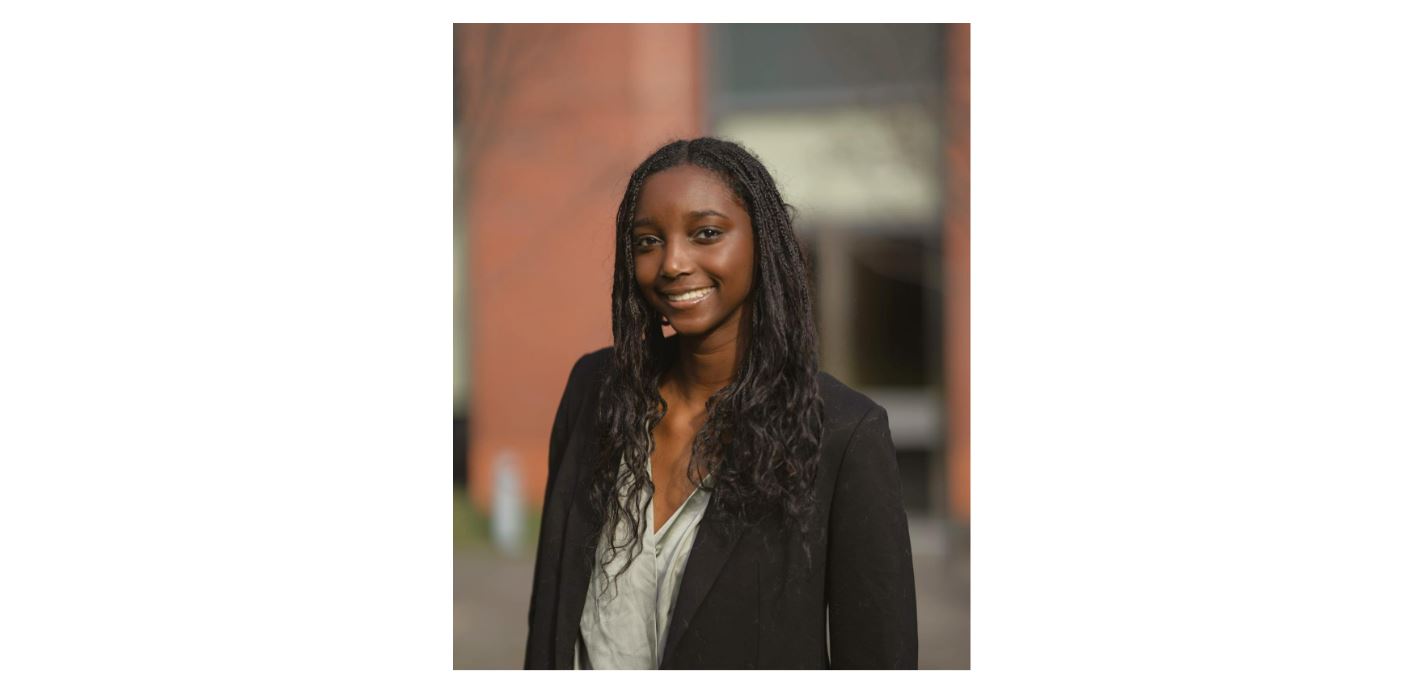
Khadija Seck (‘26), a Neuroscience major, researched how to adapt cognitive assessments for low literacy contexts with mentorship from Dr. Iliana Kohler (Department of Sociology). This research was supported by a College Alumni Society Grant.
My research focused on how cognitive assessments can be adapted for low literacy settings to distinguish between genuine cognitive ability and confounding influences. Using data from the Malawi Longitudinal Study of Families and Health (MLSFH), I examined contextual, cultural, and statistical adaptations, including adjustments for literacy, gendered social roles, and locally relevant measures of wealth and daily activities. Through analysis of these adaptations, I aimed to contribute to ongoing efforts to harmonize cross cultural cognitive data and improve our understanding of risk factors for cognitive adversities in Malawi’s aging population.
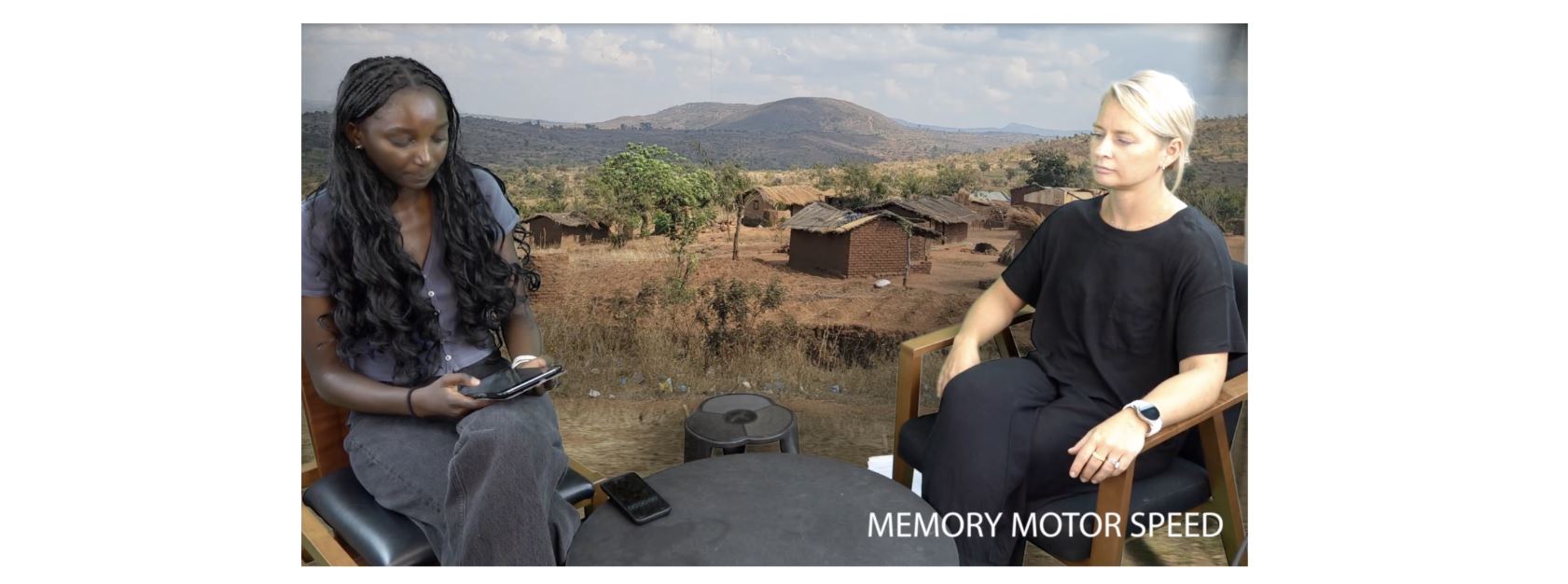
I helped create training materials and videos on how to administer the cognition test that was used and adapted by field interviewers on-site in Malawi. Recording and testing the survey made me realize that instructions that looked clear on RedCap often became confusing when spoken aloud. By simulating the experience of being a participant, I realized how important it was to validate our survey to ensure it truly captured the intended information. This step was crucial not only for internal comparisons across demographic groups in Malawi but also for cross-national comparisons.
These reflections encouraged me to dig deeper into how cognitive assessments are adapted to different settings. I conducted a literature review of harmonization protocol studies in high- versus low-literacy contexts to examine cognitive performance across demographic factors such as gender, education, and wealth index. Through this process, I was able to connect my interests in global health and cognition while also learning how empathy and contextual adaptation are essential to meaningful research.
I strengthened both my ability to adapt when projects take unexpected turns and my quantitative research skills. Learning STATA from scratch was one of the most tangible skills I gained, and working with a large longitudinal dataset pushed me to think carefully about which variables and relationships best addressed my central research question. Beyond technical skills, I developed stronger problem-solving skills and learned how important flexibility is in research design as I had to expand my focus when it became clear that the assessment methods themselves needed significant contextual adjustments. Moving forward, I will continue to build on both the technical and collaborative skills I developed, approaching research with an openness to unexpected challenges and the creativity needed to address them.
I started this research project with a strong passion for global health research in low- and middle-income countries, and I can confidently say that passion has only deepened. I hope to pursue a career as a physician researcher where I can both interact with patients and continue to engage in research abroad. This project showed me how central empathy will be to that path. I learned how much empathy shapes effective research design, and it inspired me to carry this perspective into all my future work. This experience not only reinforced my love for research but also gave me a new goal of intentionally adapting studies in ways that respect and reflect the communities they serve.
Interested in reading more first-hand accounts about undergraduate research? Check out the other experiences featured on our Student News Page and Social Media!
Related Articles

Lessons from Sri Lanka
Dania Maqbool (‘28), a Health and Societies major, traveled to Sri Lanka to study the local impact of education-focused NGOs with mentorship from Dr. Andria Johnson (Department of History and Sociology of Science). This research was supported by the Association of Alumnae Rosemary D. Mazzatenta Scholars Award.
Learning to Think Like a Scientist
Kayla Kim (‘27), a Biochemistry and Biology double major, conducted research on how norovirus during infancy affects intestinal immune health with mentorship from Dr. Ken Cadwell (Department of Medicine). This research was supported by CURF Summer Research Funding.