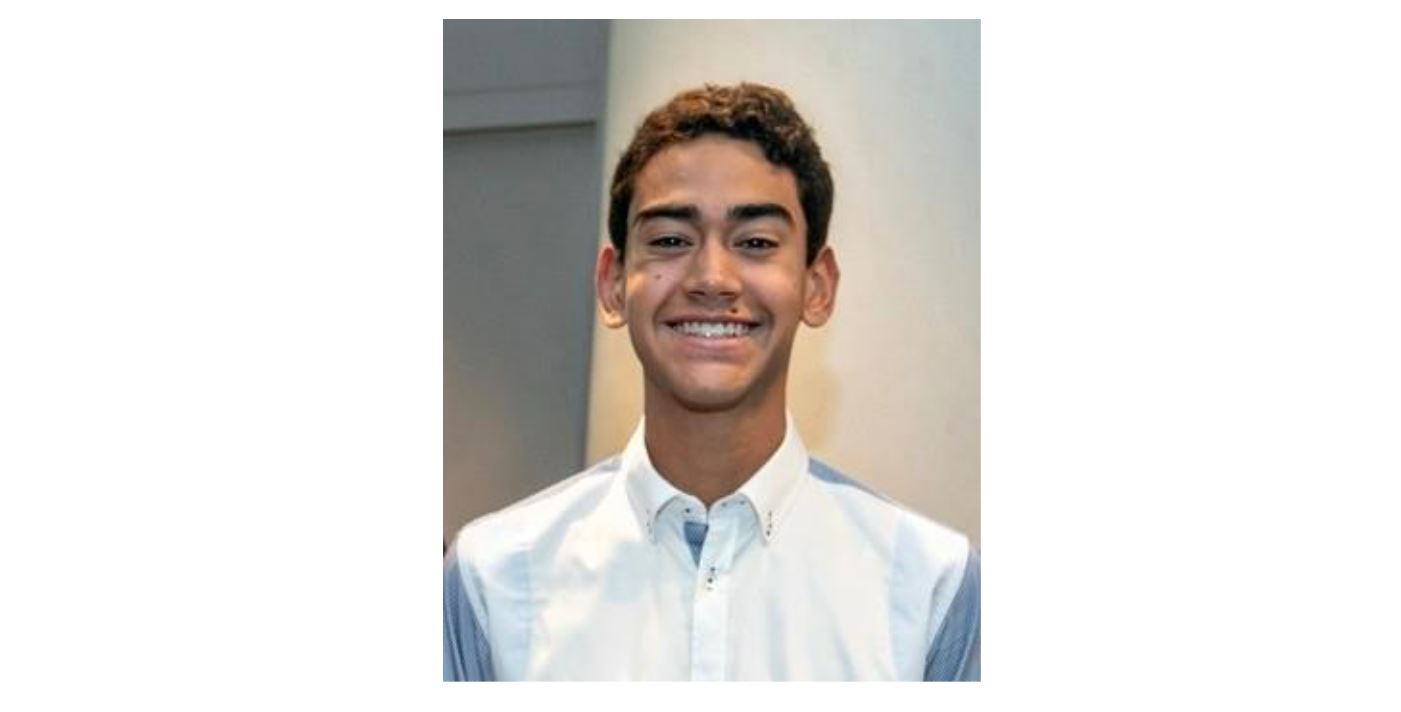
Carlos Santana Velez (‘27), a student in the College of Arts and Sciences, conducted research on anti-amyloid therapies for the treatment of Alzheimer’s disease with mentorship from Dr. Dawn Mechanic-Hamilton (Department of Neurology). This research was supported by the Penn Undergraduate Research Mentoring Program.
I was drawn to Dr. Dawn Mechanic-Hamilton's research because of my growing interest in neurology, sparked by my volunteer work with Parkinson’s patients through ping pong. I wanted to understand how research and clinical work intersect in addressing complex neurological conditions. From the very first week, I was immersed in the field, attending presentations organized by my mentor and delivered by experts and doctors across the Penn Neurology department. These sessions introduced me to key concepts, basic terminology, and the latest research breakthroughs, providing a great foundation for the hands-on work that would follow throughout the internship.
Over the next several weeks, I worked closely with Dr. Mechanic-Hamilton, analyzing data from patients undergoing anti-amyloid therapies. I began by performing structured comparisons between impaired and unimpaired participants, but soon I was given the freedom to explore my own connections within the data. This experience not only strengthened my analytical skills but also taught me to think critically about patient outcomes and research patterns. Additionally, shadowing study visits and observing cognitive testing sessions allowed me to see firsthand how cognitive assessments are conducted. As an aspiring physician, this experience was invaluable, giving me a clearer understanding of how research translates directly into patient care.
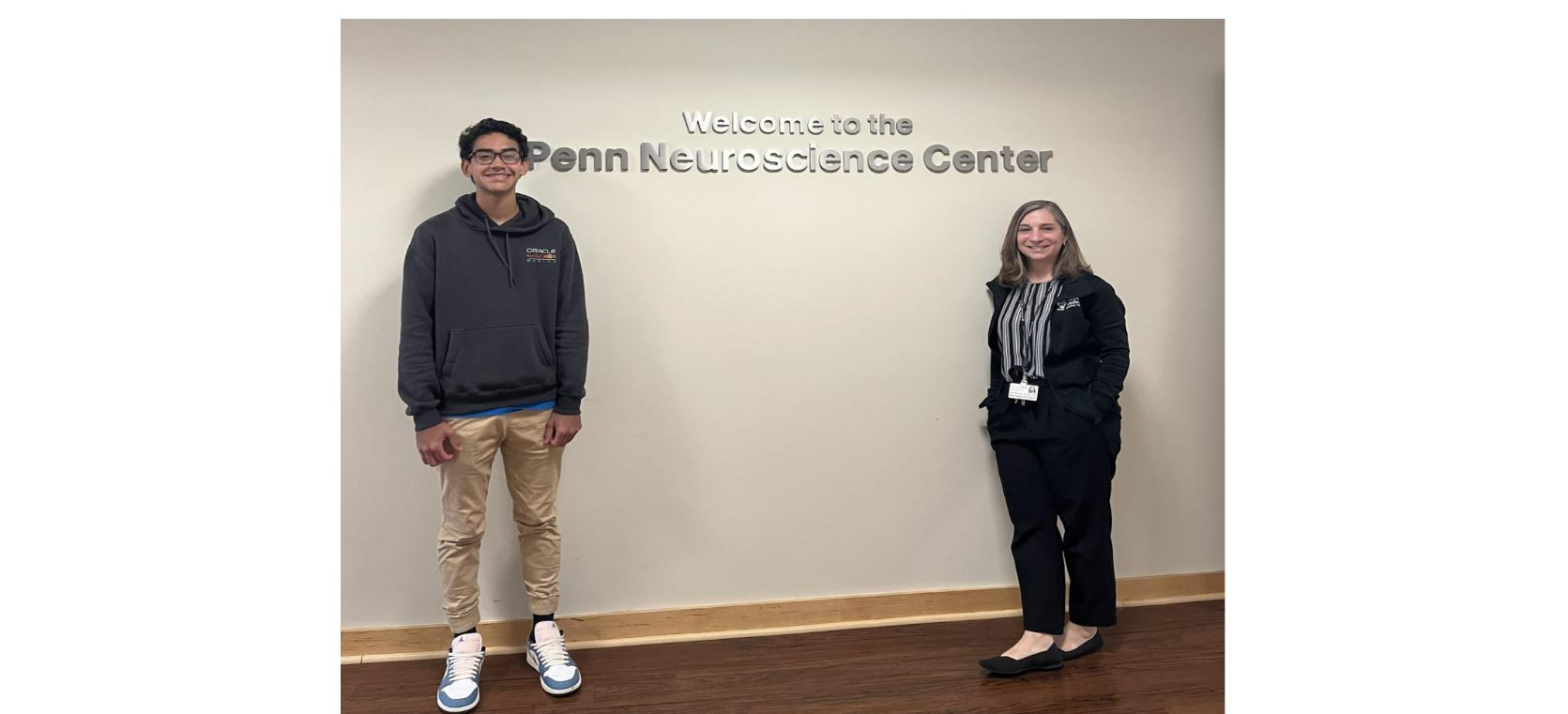
The most rewarding aspect of this experience was the relationships I built. I was fortunate to work alongside another PURM intern, Ingrid, who made navigating tasks and challenges much more enjoyable and comforting. Through Dr. Mechanic-Hamilton, I was also introduced to seven other STAR (Summer Training in Aging Research) Internship students at the Alzheimer’s Research Center. My mentor was incredibly supportive and approachable, guiding while giving me the freedom to explore my own ideas. She even invited me to the center’s Monday consensus meetings, where specialists discussed patient cases and collaborated to reach diagnoses and treatment plans. These experiences offered valuable insight into the collaborative nature of academic research and made the work both engaging and inspiring, reinforcing my passion for medicine and research.
One of the biggest challenges was navigating complex datasets and drawing meaningful conclusions without prior research experience. With around 150 patients and countless columns, statistics, and metrics, it was initially overwhelming to identify patterns or determine the best analyses. However, with guidance from my mentor and persistence, I gained confidence and strengthened my problem-solving skills. This experience taught me that research demands patience, curiosity, and adaptability- qualities I know will serve me well in medical school and beyond.
Interested in reading more first-hand accounts about undergraduate research? Check out the other experiences featured on our Student News Page and Social Media!
Related Articles

Insights into Developmental Psychology Research
Helena Saven (‘26) is a senior in the College studying Psychology, Criminology, and Francophone Studies. With support from the University Scholars program, she conducted research with Dr. Rebecca Waller in the EDEN Lab examining the impacts of adverse childhood experiences on perceptions of touch.
An Organization Built on Partnerships
Alyma Karbownik (‘29), an International Relations and Environmental Studies double major, was an intern for Historic Germantown, a partnership of 20 historic houses, destinations and museums in Northwest Philadelphia dedicated to preserve and share some of Philadelphia’s prized historical assets. This internship was supported by the Summer Humanities Internship Program.