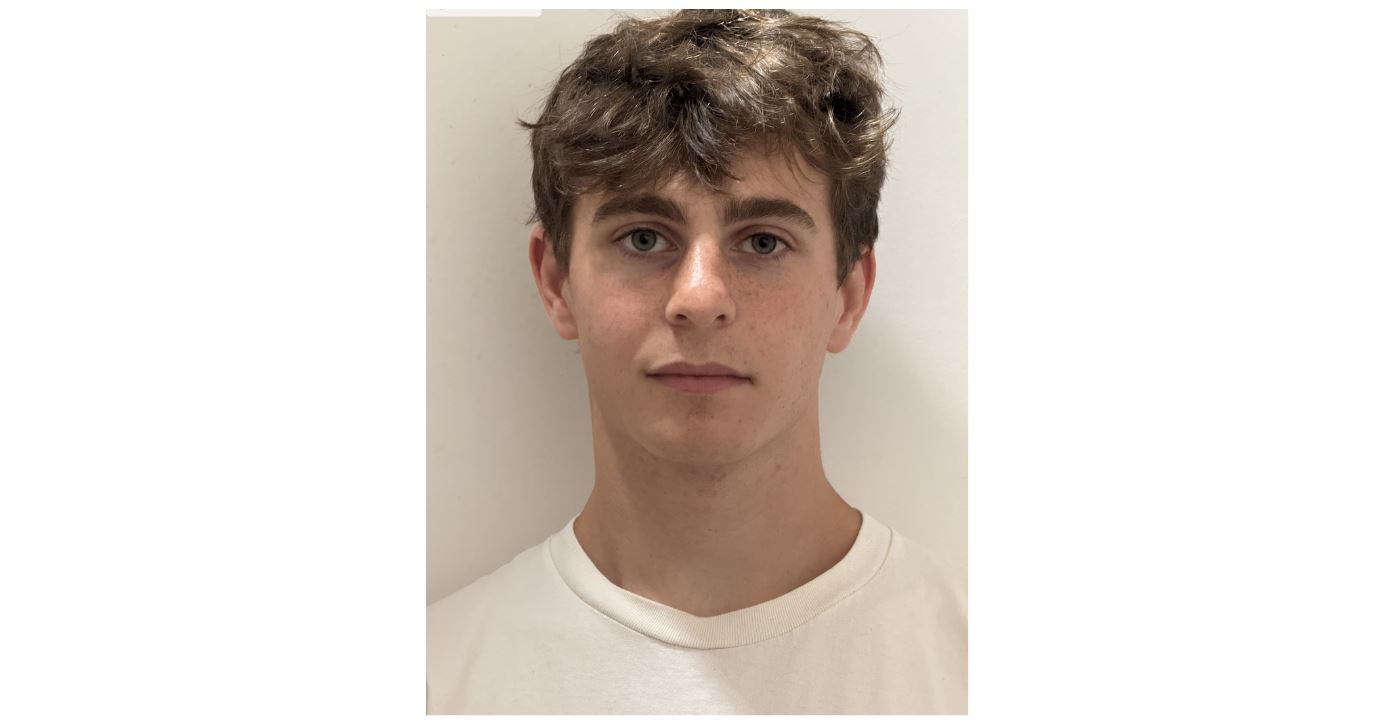
Ivan Boyko (‘28), an International Relations major, researched the role of Indigenous music in Iroquois diplomacy with mentorship from Dr. Glenda Goodman (Department of Music). This research was supported by the Penn Undergraduate Research Mentoring Program.
Growing up as a literature and history enthusiast, I marveled at the vast amount of reading required in studying history. I disliked how easily some people could suddenly just “Google” information as a shortcut. In fact, I romanticized the long, solitary hours of reading entire books just to find a meaningful quote. So, when I was saw the opportunity to assist a historian by doing extensive primary research—examining the role of music in Indigenous treaty documents from the 1600 and 1700s—I was ecstatic.
The research, however, was not what I initially expected. I imagined spending much of my time traveling to different libraries and archives to locate rare treaty documents. Instead, nearly everything I needed was available online through Penn’s library system. The reading itself, though, was both challenging and rewarding. Sitting down for long stretches to read deeply was mesmerizing, and the satisfaction of finding something useful made the effort worthwhile.
Working with my mentor, Dr. Goodman, was one of the most valuable parts of the experience. She possessed an extraordinary breadth of knowledge—not just in music history, but also in political history and Indigenous epistemology. Her organizational strategies have made me far more efficient in this project and future research. She also taught me to read more effectively: divide texts into columns, assign keywords, and trace those words through the sources. With this method, I could quickly navigate dense texts while retaining their complexity.
The most important lesson, however, came from the subject of the research itself. My project aimed to uncover the role of Indigenous music in Iroquois diplomacy and examine its effects. This is not the kind of research that AI tools or scientific methods can fully address. The only way forward was through close engagement with primary sources and journals. Because most of the documents were authored by white settlers—who often dismissed or ignored the aural and ceremonial elements of Indigenous history—recovering traces of music required careful reading between the lines of many texts.
This work illuminated something crucial: Indigenous diplomacy carried an entire epistemology in danger of being overlooked or erased. Continuing research in this area is essential -- not just for accuracy -- but because it preserves a way of knowing and a cultural approach to diplomacy that might otherwise be lost to time.
Interested in reading more first-hand accounts about undergraduate research? Check out the other experiences featured on our Student News Page and Social Media!
Related Articles

Applying Computer Science in a Molecular Ophthalmology Lab
Rushil Patel (‘28), a Computer Science major, utilized computer science skills to design specialized gene panels to study neurogenerative diseases with mentorship from Dr. Yuyan Cheng (Department of Ophthalmology). This research was supported by CURF Summer Research Funding.
My Experience with Academic Writing
Chelsea Mbakop (‘27), a Health and Societies major, conducted research on barriers oncologists face to discussing cancer clinical trials with patients. She was mentored by Dr. Carmen Guerra (Department of Medicine), and this research was supported by CURF Summer Research Funding.