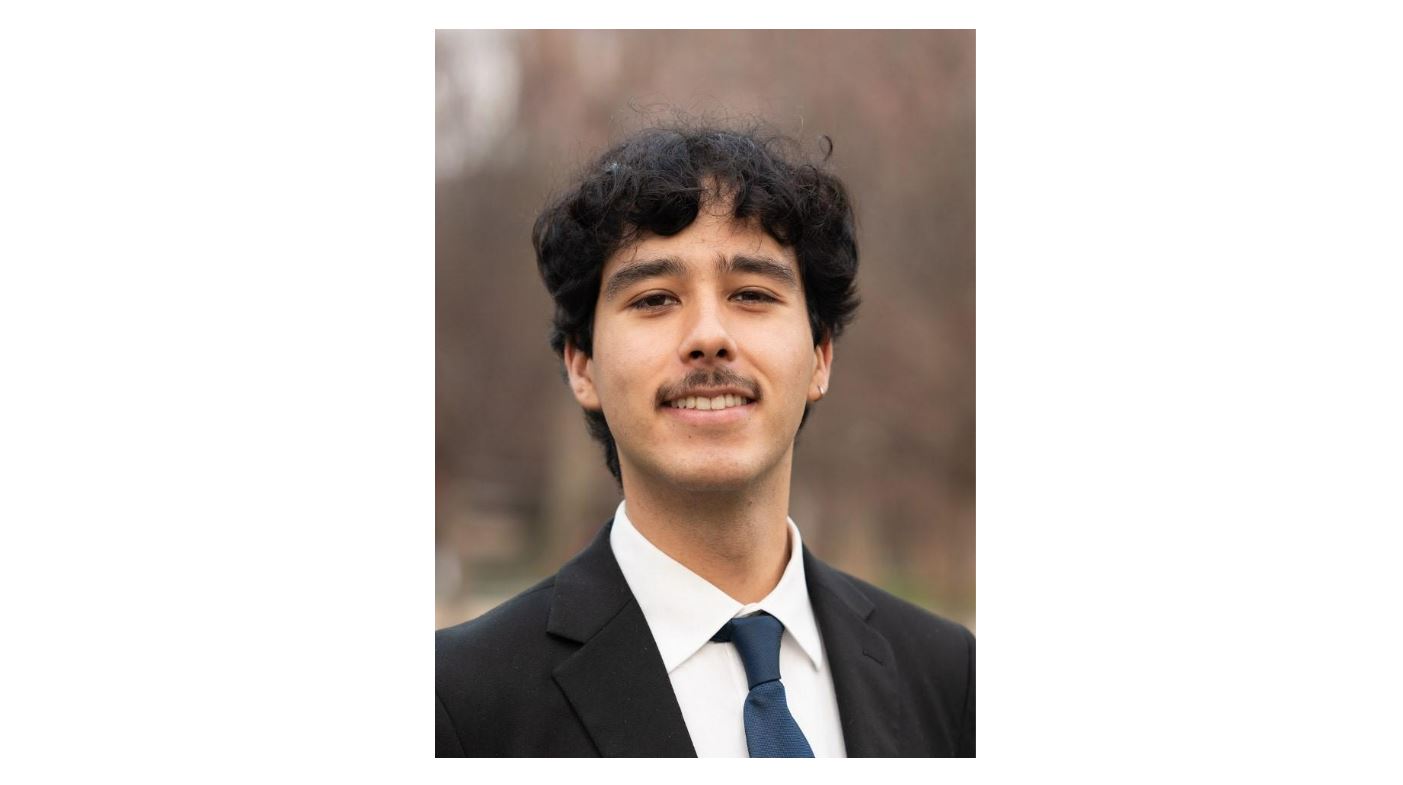
Cristian Solano (‘27), a double major in Materials Science and Engineering and Economics, conducted research on the environmental impact of fertilizer use with mentorship from Dr. Samantha McBride (Department of Mechanical Engineering and Applied Mathematics). This research was supported by the Penn Undergraduate Research Mentoring Program.
The research I performed this summer focused on fertilizer dissolution and transport within the soil. While fertilizers are an essential part of global agriculture and provide many benefits, they can be harmful to local ecosystems if excess nutrients are washed away into nearby water sources. Consequently, investigating how to control fertilizer dissolution via watering practices is important for minimizing waste and environmental harm. Growing up in a coastal city with an abundance of local wildlife and beautiful ecosystems, I developed a sincere love for the environment. As a result, contributing to ecological preservation is very important to me. Performing research this past summer on a topic that directly related to protecting sensitive ecosystems was extremely rewarding. While I’m still examining whether academic research will play a role in my future career, having this opportunity was extremely valuable for understanding the different ways I can promote environmental sustainability.
The most challenging aspect of the PURM program for me was managing my time appropriately. When I started the program, the project I was involved in was at its beginning stages and there was no clear end goal. At first, this was difficult, as I felt lost without strict expectations. However, this forced me to be self-motivated, create deadlines, and become more independent. I know that pursuing research as a career involves a lot of independence, so learning to manage my time was an important skill to develop early on.
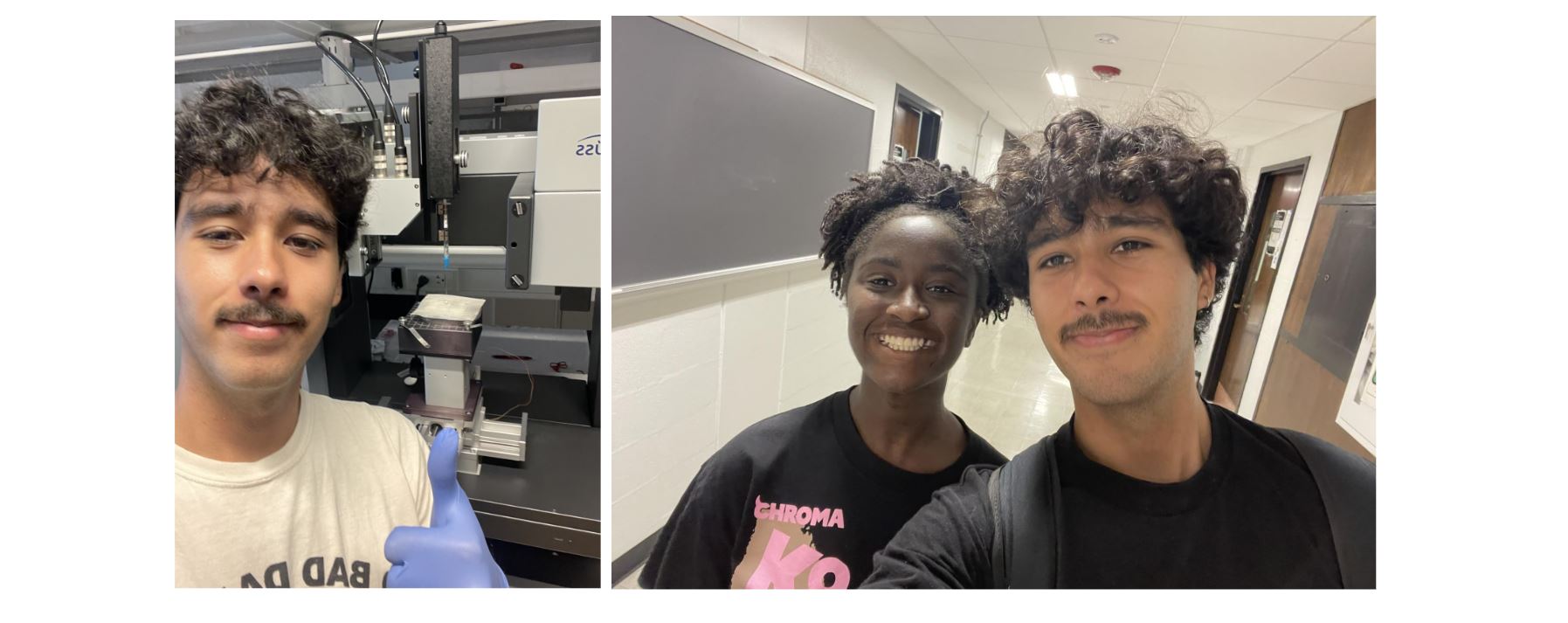
Research can be intimidating, especially without very direct instruction, so having a source of support was helpful. I really appreciated being able to grow closer with my peers that were also on campus over the summer. Having roommates and friends to spend time with after work was extremely meaningful to me, and I was able to develop very close relationships with many people around me. Beyond research, PURM helped me to feel more comfortable as a Penn student. I transferred into this school as a sophomore, which sometimes makes me feel like I’ve fallen behind professionally and socially in comparison to other students in my year. However, having a summer to interact with faculty, perform academic research, and bond with my peers has definitely helped me to feel more well-integrated into the Penn community. I’m extremely appreciative of this opportunity!
Interested in reading more first-hand accounts about undergraduate research? Check out the other experiences featured on our Student News Page and Social Media!
Related Articles

Learning to Think Like a Scientist
Kayla Kim (‘27), a Biochemistry and Biology double major, conducted research on how norovirus during infancy affects intestinal immune health with mentorship from Dr. Ken Cadwell (Department of Medicine). This research was supported by CURF Summer Research Funding.
Lessons from Sri Lanka
Dania Maqbool (‘28), a Health and Societies major, traveled to Sri Lanka to study the local impact of education-focused NGOs with mentorship from Dr. Andria Johnson (Department of History and Sociology of Science). This research was supported by the Association of Alumnae Rosemary D. Mazzatenta Scholars Award.