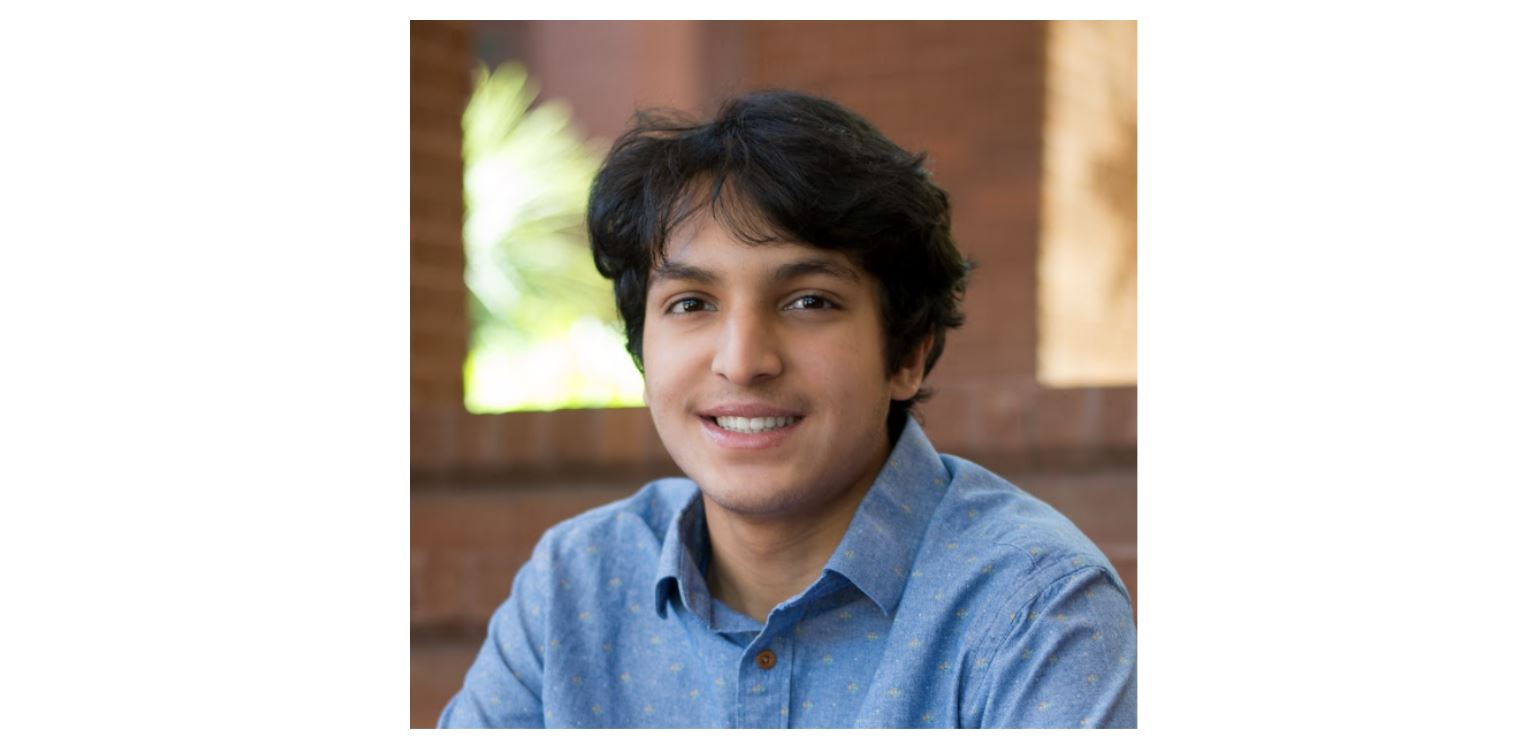
Sheel Patel (‘28), a Health and Societies and Nutrition Science double major, conducted research on white coat hypertension in children with mentorship from Dr. Amy Kogon (Department of Pediatrics). This research was supported by a Grant for Faculty Mentoring Undergraduate Research.
When I first walked into the 9th floor of the Children’s Hospital of Philadelphia’s Hub for Clinical Collaboration, I wasn’t sure what to expect. I had never worked with such a huge dataset before (over 500 patients) and part of me wondered if it would just be me and my laptop in a never-ending game of “click, type, repeat.” But almost immediately, I realized each number wasn’t just a number. It was a real kid, going to school, cracking jokes at home, and maybe even dreading the upcoming visit to the doctor's office.
In my project, I studied white coat hypertension, which is when a child’s blood pressure looks high in the clinic but is totally normal at home. This phenomenon is often a result of nerves that come from seeing a white coat and a stethoscope. I was responsible for combing through patient charts to document their blood pressures, piece together their medical histories, and collect data from ambulatory blood pressure monitors (ABPMs). The best moments occurred when I’d stumble on something unexpected that completely shifted how I saw the chart, such as a school nurse’s reading buried in the notes or a parent’s comment. It felt like each chart had its own little “plot twist.”
Throughout this experience, joy came from both the small wins and the shared laughs. I’ll never forget the pride of finishing my first 100 chart reviews or the relief when a medical student who was working at the adjacent desk showed me the office coffee machine (this really came in handy). Outside of my research, I made it my personal mission to explore the different parts of Philadelphia, go on random center city excursions, and exercise every day.
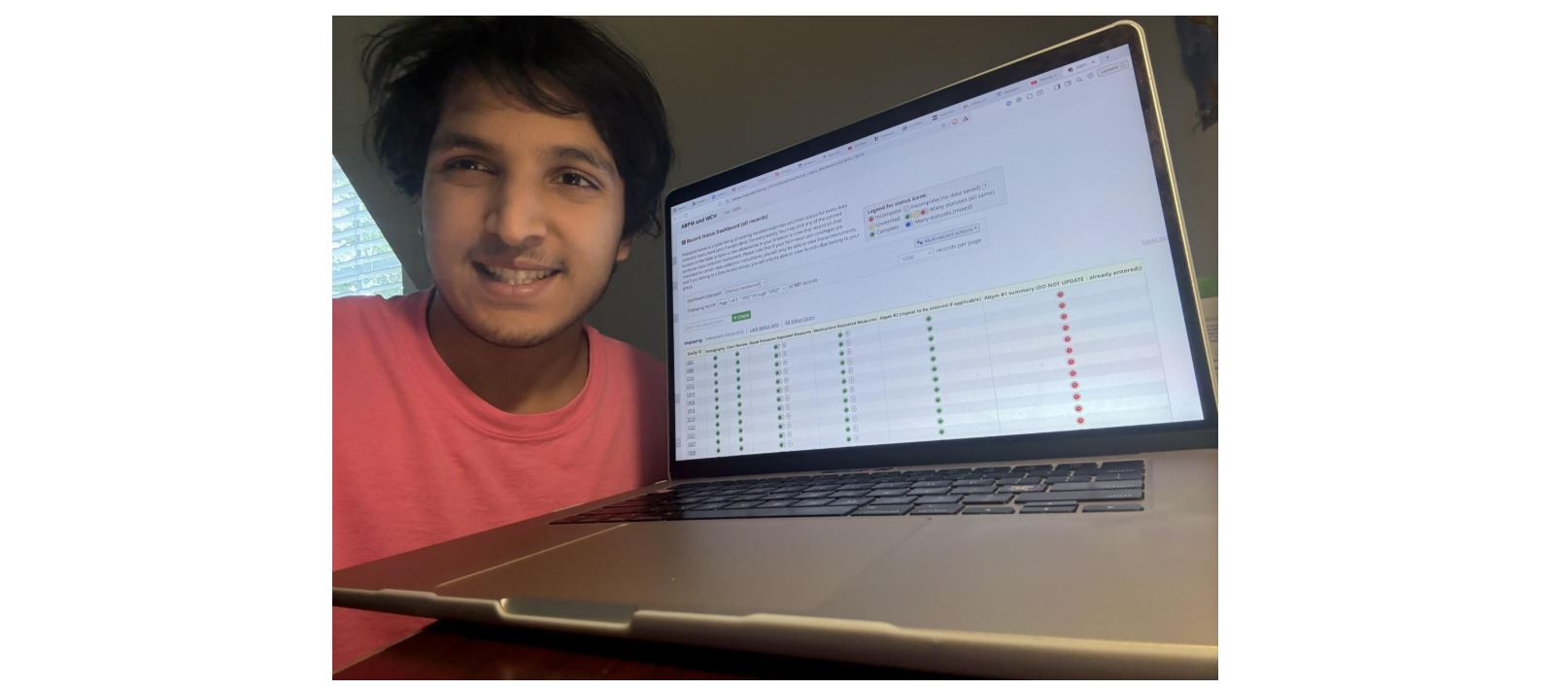
What surprised me most was how much the experience was about people, not just data. I expected to walk away with research skills, and I did, but I also found mentors who answered my seemingly endless questions, trusted me to take ownership of my work, and reminded me that knowing when to ask for help is a strength.
This project has changed how I think about medicine and research in general. Now, when I see a dataset, I don’t just see rows and columns; I see stories. I’ve learned that the process, with all its little discoveries and unexpected connections, can be just as rewarding as the final results. I’d recommend research to any student, not just because it’s a great skill-builder, but because it lets you explore ideas, meet amazing people, and maybe even find your own “plot twists” along the way.
Interested in reading more first-hand accounts about undergraduate research? Check out the other experiences featured on our Student News Page and Social Media!
Related Articles

Creating Lasting Connections
From left to right: Daniel Mysliwiec (‘28), a Neuroscience major, and Nathalie Mejia (‘27), a Biology major with Hannah Shalaby (Research Coordinator) and their mentor Dr. Colin Ellis (Department of Neurology. Together, they surveyed epilepsy patients to learn more about their daily lived experiences. This research was supported by the Penn Undergraduate Research Mentoring Program.
Combining Data, Culture, and Connection
Belinda Chen, Debby Li and William Xi conducted research on factors affecting well-being among Chinese Americans. They were mentored by Dr. Effy Zhiyuan Yu from the Department of Family and Community Health. This research was supported by the Penn Undergraduate Research Mentoring Program.