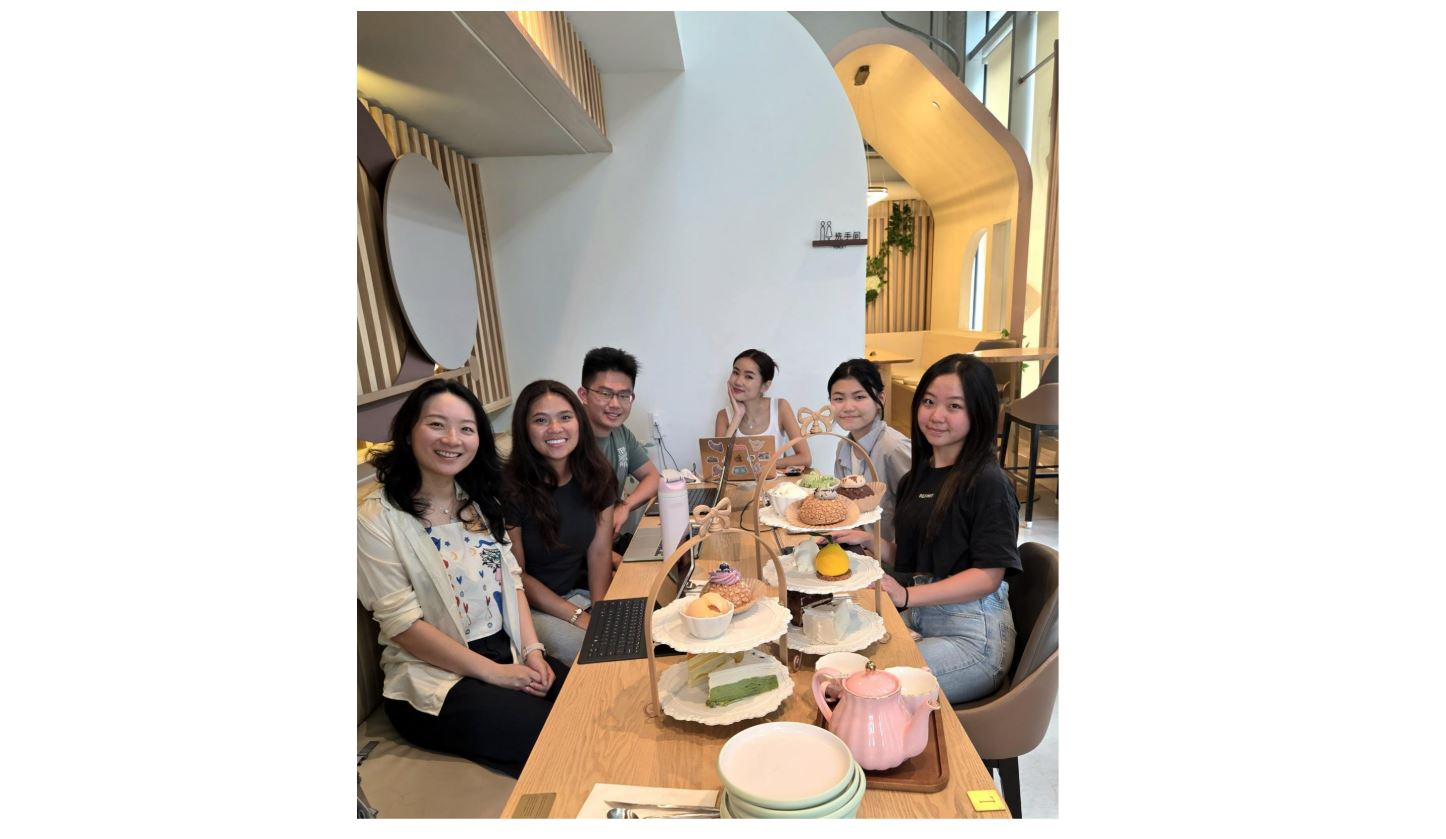
Belinda Chen (front right), Debby Li (second on the left) and William Xi (third on the left) conducted research on factors affecting well-being among Chinese Americans. They were mentored by Dr. Effy Zhiyuan Yu (front left) from the Department of Family and Community Health. This research was supported by the Penn Undergraduate Research Mentoring Program.
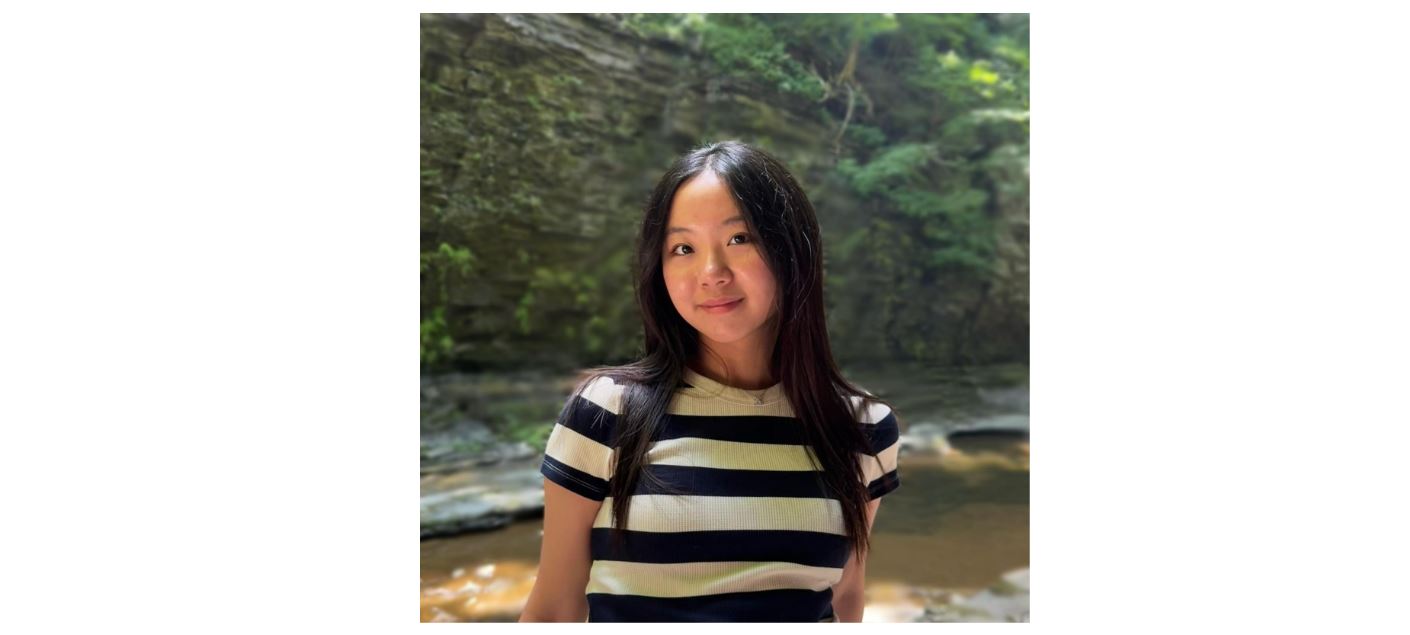
Reflecting on her research experience, Belinda Chen (‘28, Nursing) said, “Engaging in research showed me that when we listen with care and ask with intention, we gain unique perspectives and meaningful stories that can inspire growth in oneself.” Read more about her research below!
This summer, I conducted research about strengthening intergenerational connections in Chinese American families by promoting deeper conversations between parents and their children. I was drawn to this project because of my interest in healthcare and community well-being, but also because it connects to my own cultural identity and family relationships as a first-generation Chinese American.
Being part of the research process was eye-opening. I got hands-on experience drafting consent forms, revising institutional review board (IRB) documents, and learning how to use REDCap for surveys. These tasks showed me how much careful planning go into building a study, and these steps behind-the-scenes taught me patience, adaptability, and attention to detail. By interviewing participants, I was challenged to listen carefully, respond thoughtfully, and make people feel comfortable while sharing personal experiences. Those moments reminded me that research isn’t just about collecting data or analyzing numbers, it’s about people, their lived experiences, and the connections we build by listening.
I also learned how valuable mentorship can be. Working alongside my mentor, Dr. Effy Zhiyuan Yu, and our research team gave me the chance to ask questions, get feedback, and better understand the “why” behind every step we took. They showed me that research is not a solo process but a collaborative one, where every team member contributes something important.
Research not only pushed me to think critically, but it also deepened my ability to communicate with empathy and to truly listen to people’s stories. Moving forward, I want to be the kind of healthcare professional who takes the time to understand not just symptoms, but the human story behind them. I strive to be someone who listens deeply and communicates with compassion.
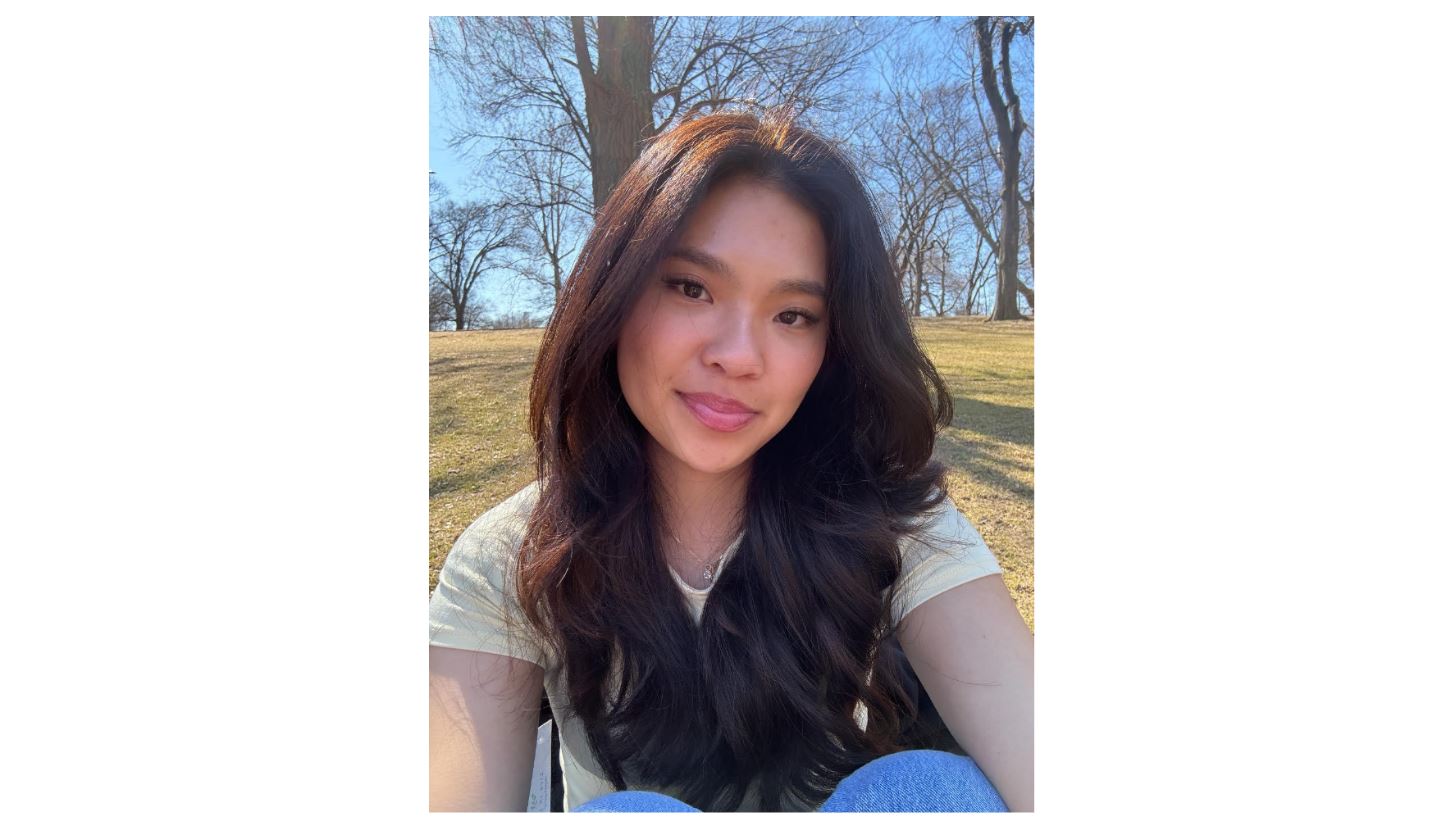
Reflecting on her research experience, Debby Li (‘28, Nursing) said, “I discovered how deeply culture shapes care while gaining skills that will guide me in becoming the nurse I aspire to be.” Read more about her experience below!
In my hometown, culture was the heart of our community. That sense of cultural pride is something I carried with me to Penn, hoping to hold onto it wherever I went. So, when I saw a research opportunity centered around Chinese immigrant mothers, I immediately wanted to get involved.
Being on campus over the summer gave me the chance to build meaningful connections with my nursing peers and my mentor. I could always count on them for guidance, whether I was facing technical questions or simply curious about a new idea. Beyond our productivity, we also shared laughter and camaraderie, which made the work environment both engaging and welcoming. My mentors were incredibly generous with their knowledge and support, making my introduction to research less intimidating. Simply watching how they interacted with participants and guided us as a team taught me about professionalism, empathy, and leadership.
My main goals when starting this project were to better understand the research process and to strengthen both my interpersonal and data analysis skills. This project not only allowed me to reach those goals but also gave me the chance to connect deeply with my own culture and community. This experience also sparked a new interest in the field of labor and delivery nursing and midwifery. As a first-year Nursing student, I had considered different specialties but never had a concrete path. Learning about the childbirth experiences of immigrant mothers has shown me how important it is to support new mothers, especially in the hospital setting.
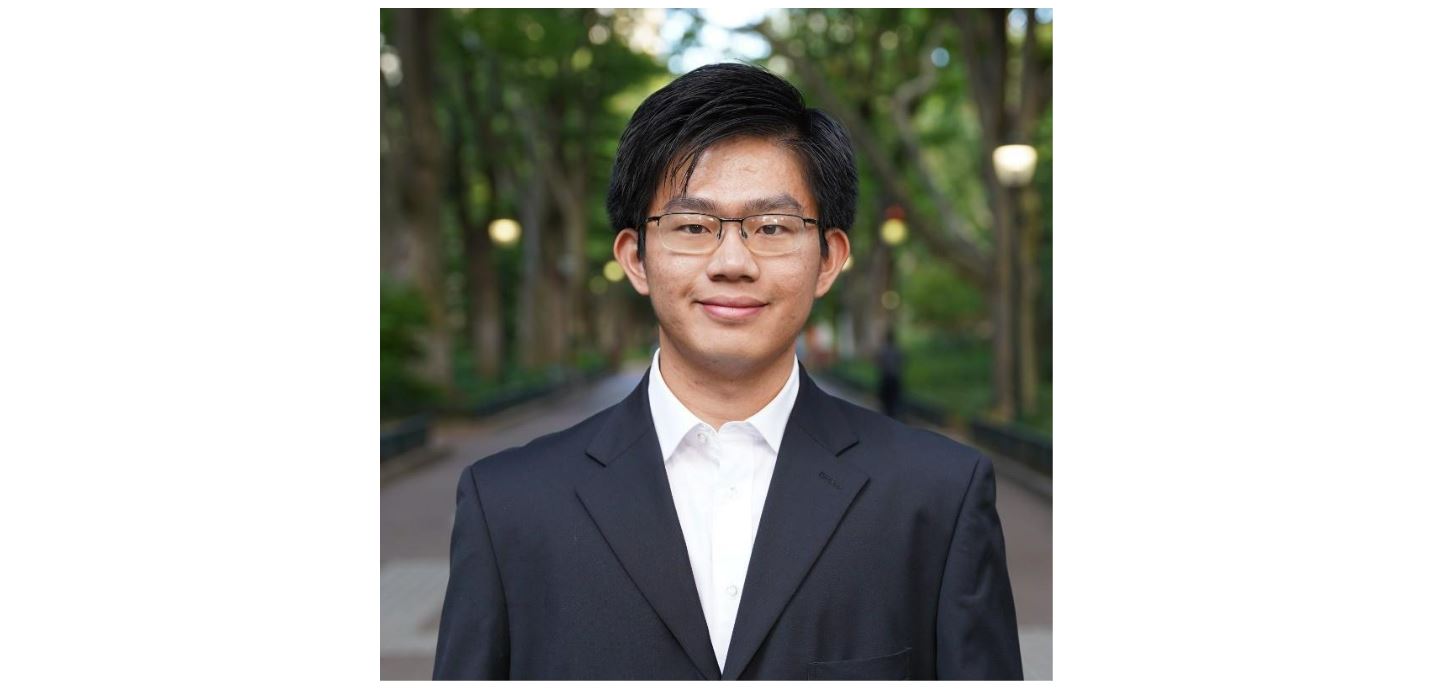
Reflecting on his research experience, William Xi (‘27, Health Care Management and Policy) said, “PURM gave me the chance to see how research can bridge human connection and systemic change, inspiring me to pursue healthcare policy with a patient-centered lens.” Read more about his experience below!
This summer, I had the opportunity to participate in Dr. Effy Zhiyuan Yu’s lab, studying postpartum distress in Asian immigrant mothers. After taking Nursing of Women and Infants (NURS 2150), I wanted to expand beyond what I had learned in the classroom and clinical settings to see how research could address gaps in care. This research helped me do exactly that. I learned how essential human connection is during postpartum recovery. Participants expressed deep appreciation for having someone with a medical background to talk to- not only about questions related to postpartum distress, but also about everyday life. This experience reminded me that healthcare extends beyond physical treatment and that supportive relationships can make a profound difference in someone’s well-being.
One of the most rewarding aspects of PURM was building connections in the lab. I was inspired by my peers, who brought diverse perspectives and passion to the research, and I was especially grateful for the guidance of Dr. Yu. Hearing her story and witnessing her commitment to serving the Asian American community encouraged me to think more intentionally about how I want to shape my own career. Her mentorship not only gave me insight into the world of nursing research but also pushed me to consider how I could create meaningful impact on a broader scale. These conversations, along with the sense of collaboration in the lab, left me feeling both supported and motivated.
This summer also taught me a great deal about myself. I realized that I enjoy the creative and problem-solving aspects of research—imagining interventions, troubleshooting obstacles, and working persistently toward a goal. I also learned that research requires patience, resilience, and a willingness to embrace unexpected outcomes, all of which are skills I know will serve me well. PURM confirmed that I want to pursue a path at the intersection of healthcare and policy, where I can help address structural barriers to care while keeping patient voices at the center.
Interested in reading more first-hand accounts about undergraduate research? Check out the other experiences featured on our Student News Page and Social Media!
Related Articles

Research Flies When You’re Having Fun
Charlize Amper (‘28), a Biology major, researched ways to support pediatric cancer survivors with mentorship from Dr. Lisa Schwartz (Department of Pediatrics, CHOP). This research was supported by the Penn Undergraduate Research Mentoring Program.
Reading Through History
Ivan Boyko (‘28), an International Relations major, researched the role of Indigenous music in Iroquois diplomacy with mentorship from Dr. Glenda Goodman (Department of Music). This research was supported by the Penn Undergraduate Research Mentoring Program.