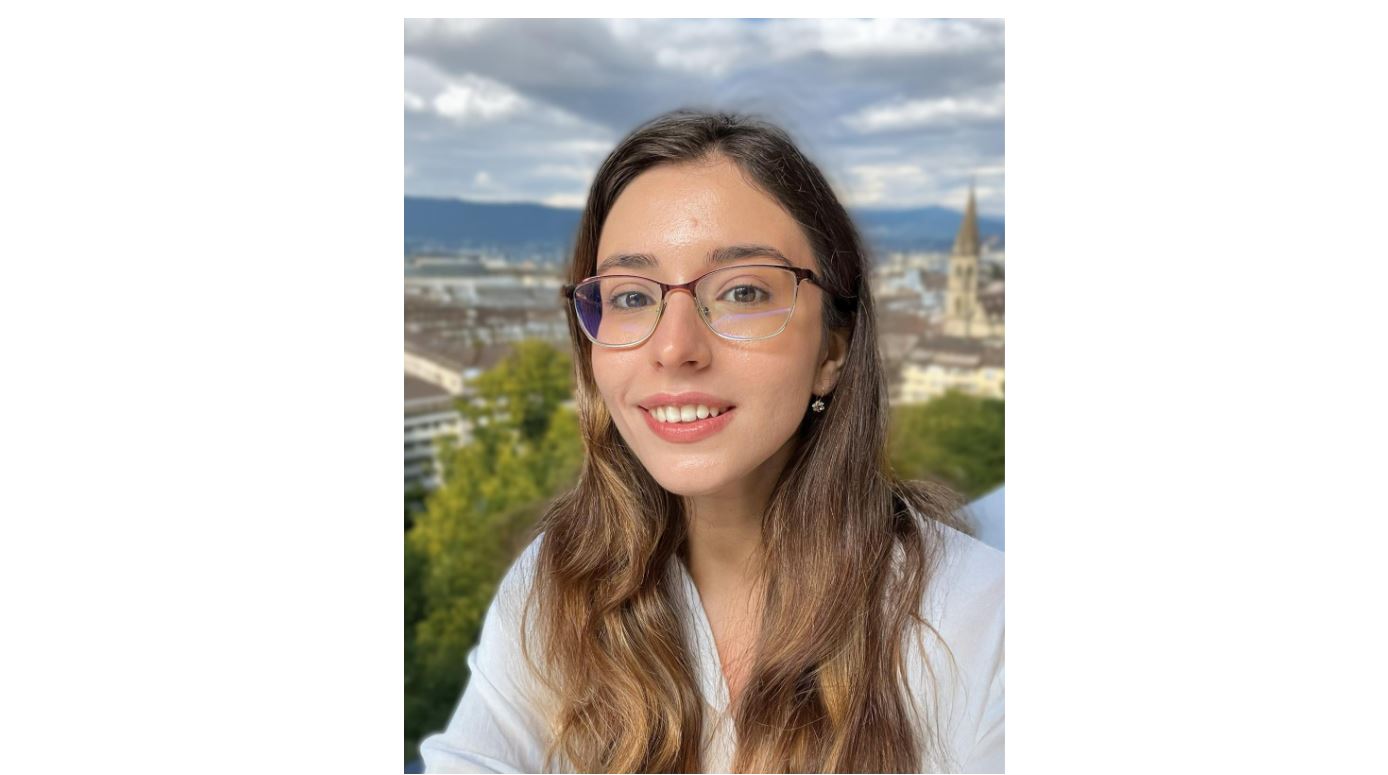
Ioana Gidiuta (‘26), an Electrical Engineering major, studied neuromotor development in infants in efforts to improve rehabilitation strategies with mentorship from Dr. Michelle Johnson (Department of Physical Medicine and Rehabilitation). This research was supported by CURF Summer Research Funding.
My research project in the Robotics Rehabilitation Lab focuses on identifying divergence points in the neuromotor development of infants aged 3–9 months. The primary goal is to determine when neurodevelopment begins to go off-track for infants suffering from cerebral palsy (CP) or similar neuromotor conditions. This research, which lies at the intersection of neuroscience, robotics, and rehabilitation engineering, has been both intellectually challenging and personally meaningful.
I first joined the lab as part of the Play and Neuro-Development Assessment (PANDA) project, researching the impact of emotion on movement under the supervision of Dr. Michelle Johnson and Dr. Melanie Segado. My background in electrical engineering and data science, combined with my long-standing passion for mathematics and engineering, gave me the technical tools to contribute to this project. But what truly drew me to the lab was something deeper: a sense of purpose in helping others through scientific discovery. For the past two summers, research has been not only a professional steppingstone but also a personal journey of growth that is shaping the trajectory of my career.
This past summer was particularly meaningful because it marked my last one before graduating in 2026. At the start, I had several questions: Where do I see myself after graduation? Should I pursue a PhD or enter industry? Which path would bring me the most fulfillment? These questions lingered in the back of my mind, and as the summer progressed, I realized the answers were already taking shape. Every time I engaged with topics in robotics and neuroscience, I felt a natural sense of excitement and curiosity. I found myself diving deep into literature, drawing connections between studies, analyzing results, and, above all, feeling that my research had purpose.
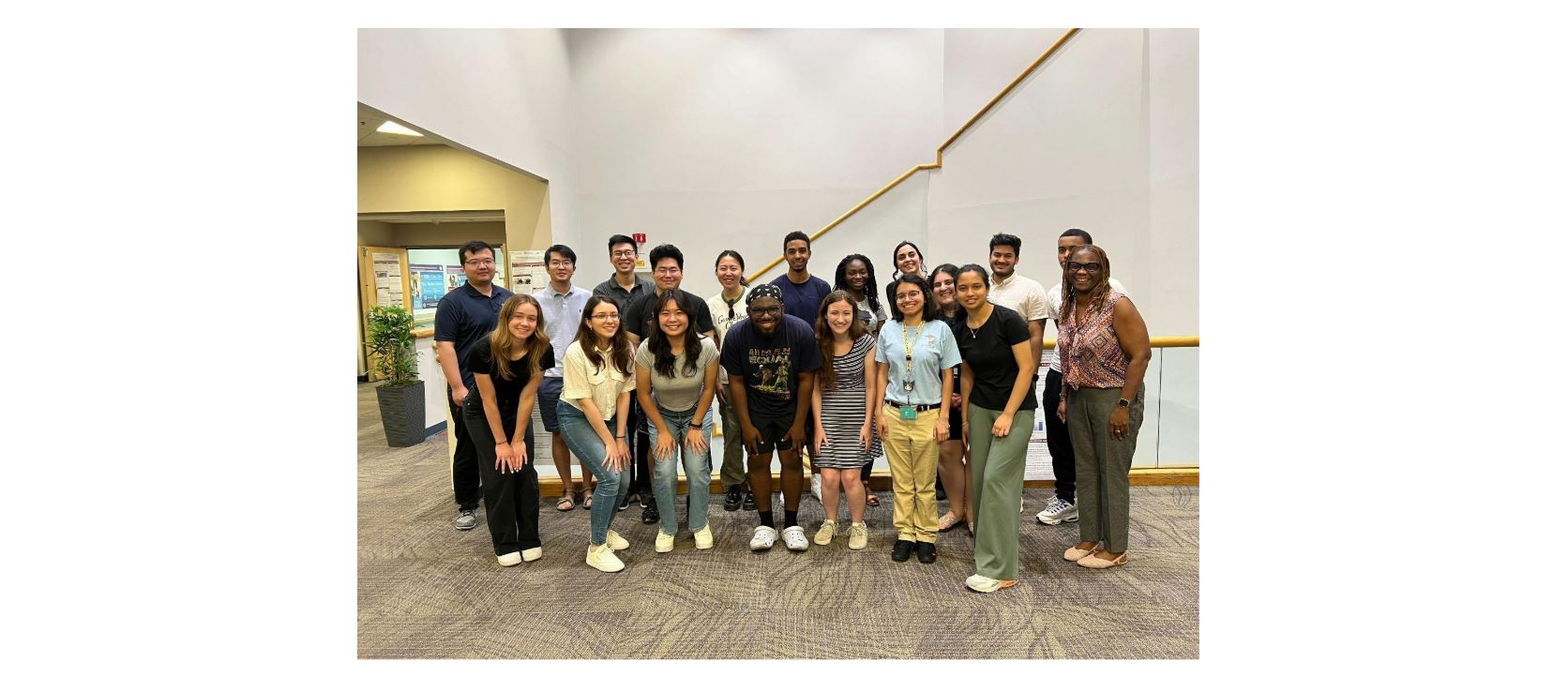
Biomedical research not only satisfies my intellectual curiosity about the human body but also aligns with my values. The idea of contributing to rehabilitation engineering—helping people regain independence and quality of life—deeply resonates with me. Through this realization, I decided to pursue a PhD. The grant that supported my research gave me the opportunity to explore my interests fully, strengthen my scientific network, and begin identifying potential graduate programs both in the United States and abroad. Along the way, I received invaluable mentorship, built relationships with professors, and began to envision myself as part of a larger scientific community.
Beyond technical skills, the most important lesson I learned this summer was about failure. Early in my journey, I hesitated to speak up, propose ideas, or take risks for fear of being wrong. But research is full of uncertainty, and mistakes are not only inevitable but essential. I have learned that failures—whether in experiments, communication, or networking—are not setbacks but opportunities for growth. Avoiding failure only leads to stagnation while embracing it allows for true progress.
Interested in reading more first-hand accounts about undergraduate research? Check out the other experiences featured on our Student News Page and Social Media!
Related Articles

Applying Computer Science in a Molecular Ophthalmology Lab
Rushil Patel (‘28), a Computer Science major, utilized computer science skills to design specialized gene panels to study neurogenerative diseases with mentorship from Dr. Yuyan Cheng (Department of Ophthalmology). This research was supported by CURF Summer Research Funding.
My Experience with Academic Writing
Chelsea Mbakop (‘27), a Health and Societies major, conducted research on barriers oncologists face to discussing cancer clinical trials with patients. She was mentored by Dr. Carmen Guerra (Department of Medicine), and this research was supported by CURF Summer Research Funding.