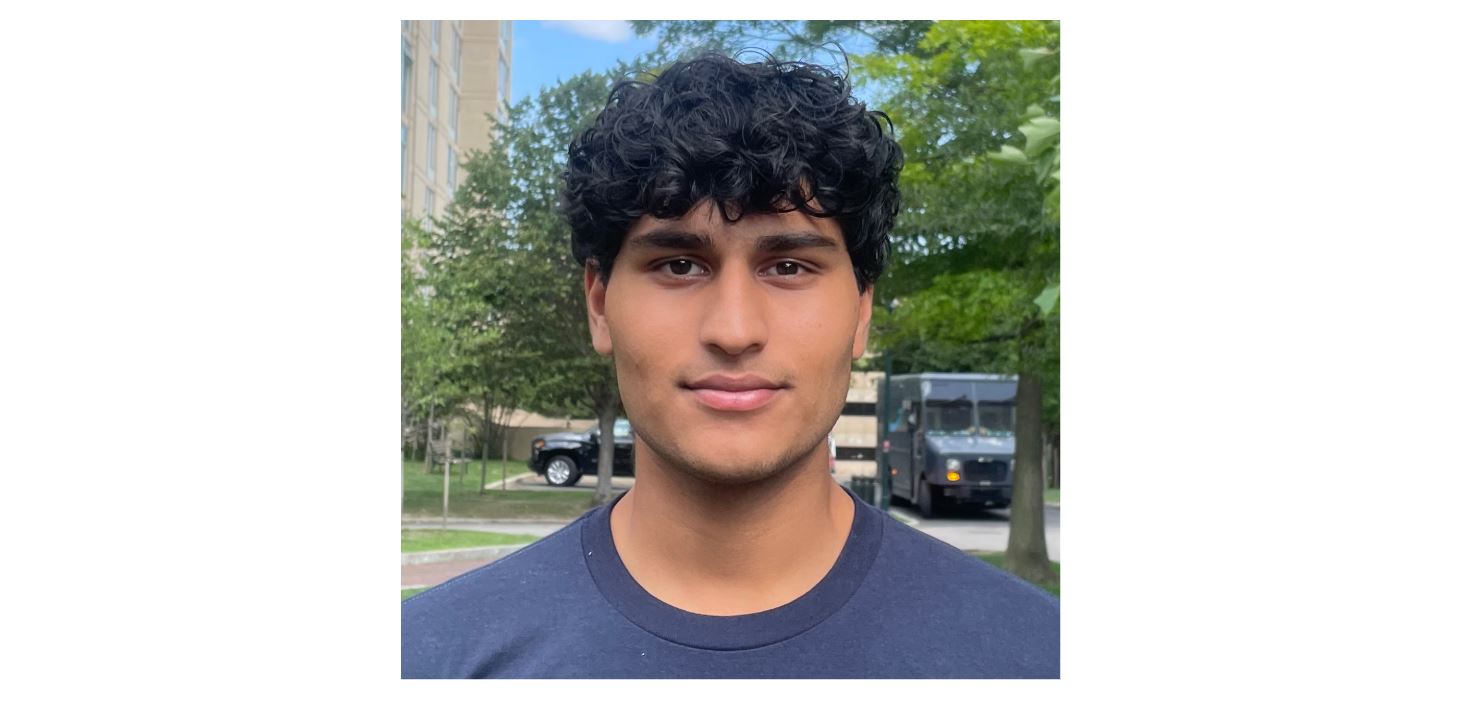
Dhruv Goyal (‘27), a Computer Science major, researched ways to improve operating systems using machine learning with mentorship from Dr. Sebastian Angel (Department of Computer and Information Science). This research was supported by the Penn Undergraduate Research Mentoring Program.
This summer, I participated in the Learning Directed Operating Systems (LDOS) research project, which explored how machine learning could be used to make operating systems smarter and more efficient. When I first heard about this project, I was drawn to it because it combined two areas I had always been curious about—low-level systems and artificial intelligence. Operating systems are the backbone of everything we do on computers, but they are basically invisible to the user. The idea that I could contribute, even in a small way, to making them more adaptable and intelligent felt both exciting and meaningful.
While I definitely expanded my technical skills, what stuck with me the most was how much I grew as a person through the research process. One of the biggest challenges I faced this summer was becoming comfortable with uncertainty. Yes, I learned about Linux commands and tracing tools, but I also learned how to deal with the feeling of not knowing what I was doing and to push forward anyway. Almost every day, I found myself needing to do things I had never done before—whether that was setting up benchmarking environments or interpreting long error logs. At first, this was overwhelming. I often felt like I didn’t even know the right question to ask. But slowly, I learned to lean on my resources. Google, ChatGPT, YouTube tutorials, and especially my peers and mentors became essential sources of guidance. Asking for help felt uncomfortable at first, but I realized that research is supposed to involve collaboration. The more I practiced, the more natural it became to admit when I was stuck and to seek out advice. That shift was huge for me, because it reinforced that asking for help is not a weakness, but a skill in itself.
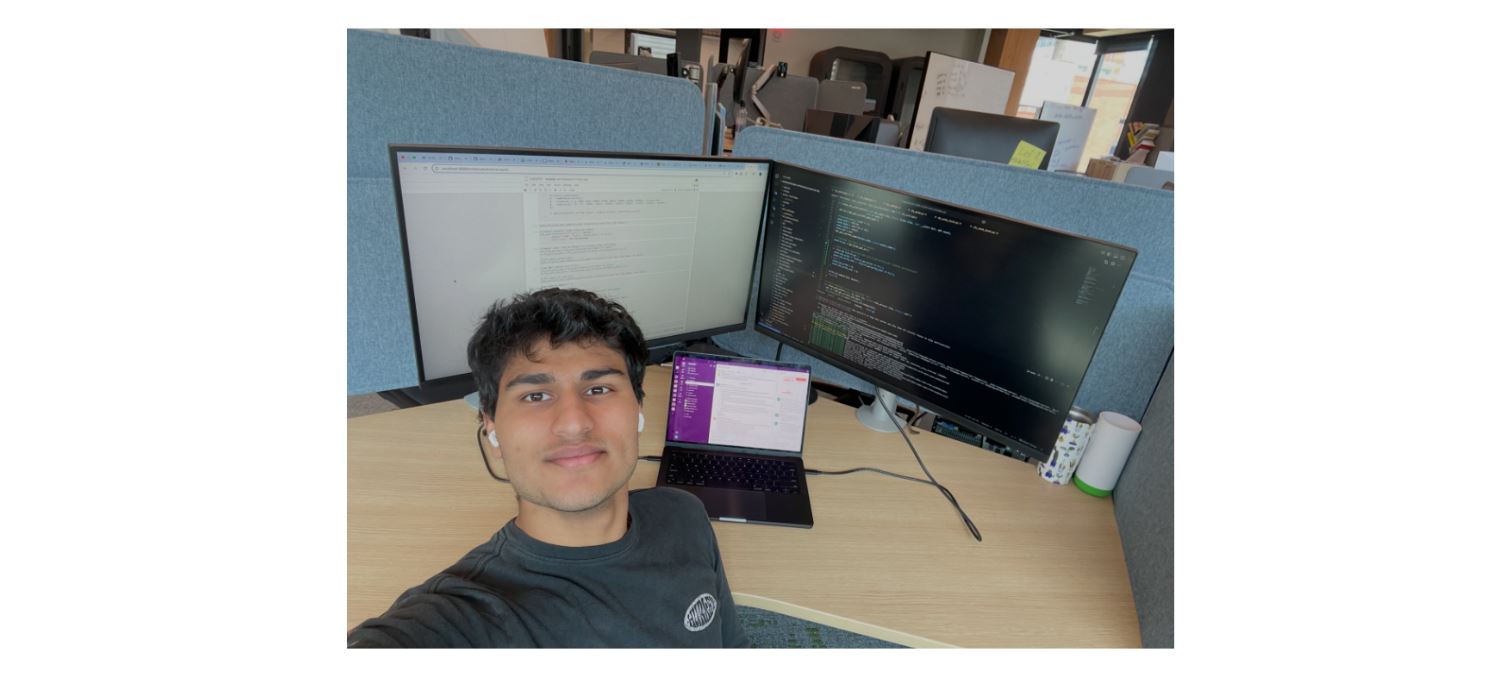
Learning to stay calm, take a step back, and methodically test out solutions was one of the most important lessons I’ll carry forward- not just in research- but in any project I take on. Looking back, the summer was about growing more confident in my ability to handle the unknown. I came away from the experience with a deeper sense of resilience and a clearer idea of how I want to grow as a student and researcher.
Interested in reading more first-hand accounts about undergraduate research? Check out the other experiences featured on our Student News Page and Social Media!
Related Articles

Lessons from Sri Lanka
Dania Maqbool (‘28), a Health and Societies major, traveled to Sri Lanka to study the local impact of education-focused NGOs with mentorship from Dr. Andria Johnson (Department of History and Sociology of Science). This research was supported by the Association of Alumnae Rosemary D. Mazzatenta Scholars Award.
Learning to Think Like a Scientist
Kayla Kim (‘27), a Biochemistry and Biology double major, conducted research on how norovirus during infancy affects intestinal immune health with mentorship from Dr. Ken Cadwell (Department of Medicine). This research was supported by CURF Summer Research Funding.