Ian Peng
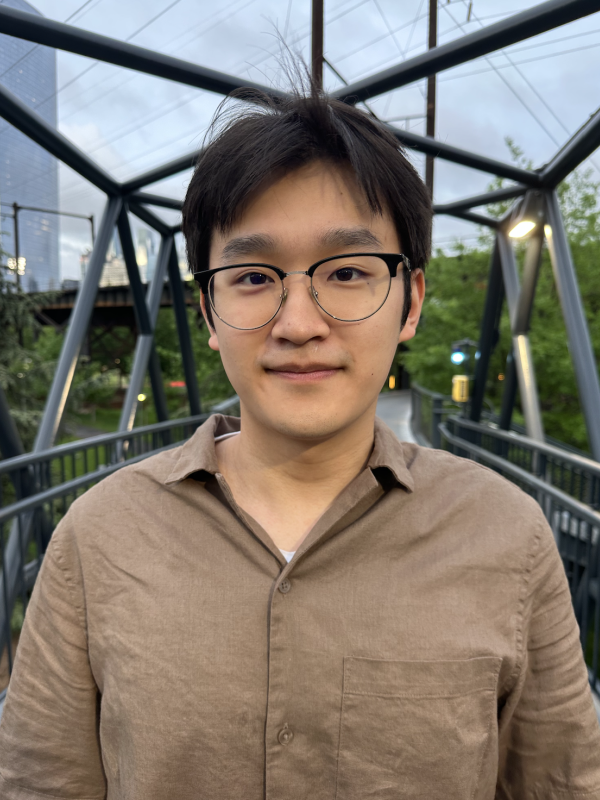
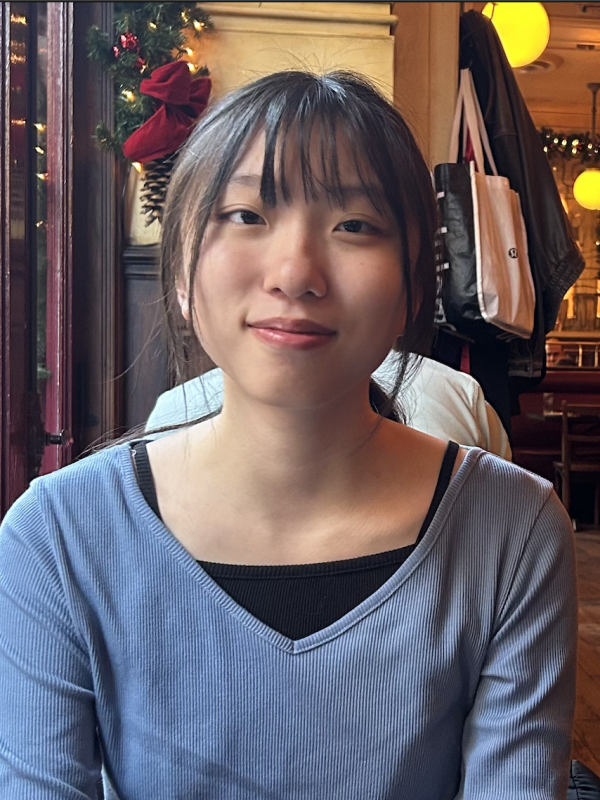
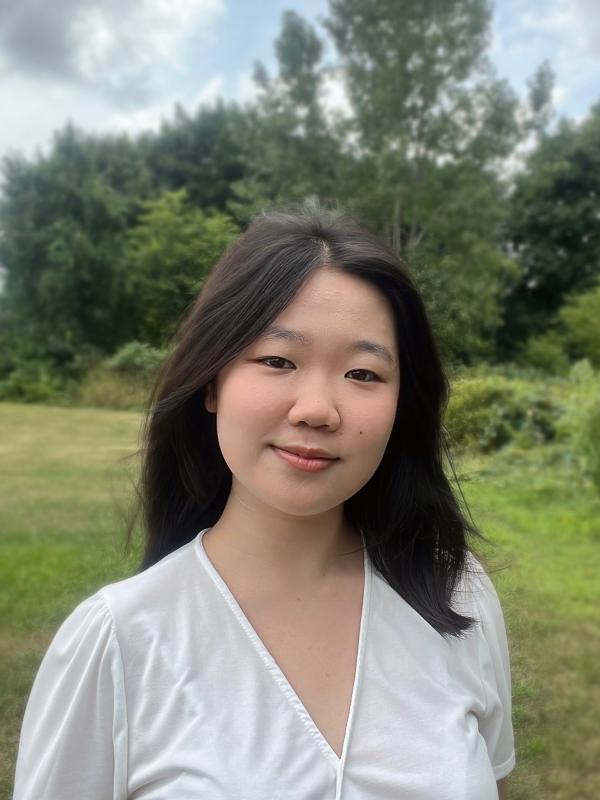
I’m a sophomore from California, majoring in Bioengineering and minoring in Chemistry with a pre-med focus. My research interests center around diagnostic and therapeutic biomedical devices. I completed a research internship at the Terasaki Institute for Biomedical Innovation with the support of UScholars working on microfluidics and organs-on-a-chip, and now I’m an undergraduate researcher in the Jiang Group, where I work on bioelectronics and biosensors for precision health. On campus, I’m an active member of the Biomedical Engineering Society (BMES) and the Penn Undergraduate Biotech Society (PUBS). In my free time, I love hitting the gym, exploring new foods, and spending time with friends and family.
- Undergraduate Research Assistant at Jiang Group
- Research Intern at the Terasaki Institute for Biomedical Innovation
- Regeneron STS Scholar

Quantitative EEG to improve epilepsy care
Our goal is to apply quantitative techniques to electrophysiology data in order to improve our understanding and treatment of epilepsy.
Carol Tu
- Software Development Engineer Intern at Amazon Web Services
- Second author of "Deep Learning Respiratory Motion Correction for Real-Time Cardiac MRI," accepted at the Radiological Society of North America
- Research Assistant to Dr. Duncan Watts, Computational Social Science Laboratory
Forrest Lin
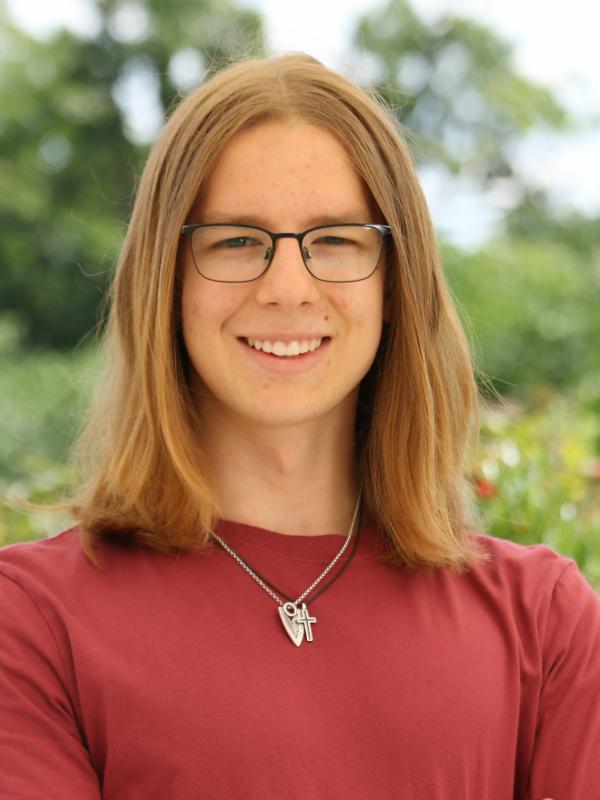
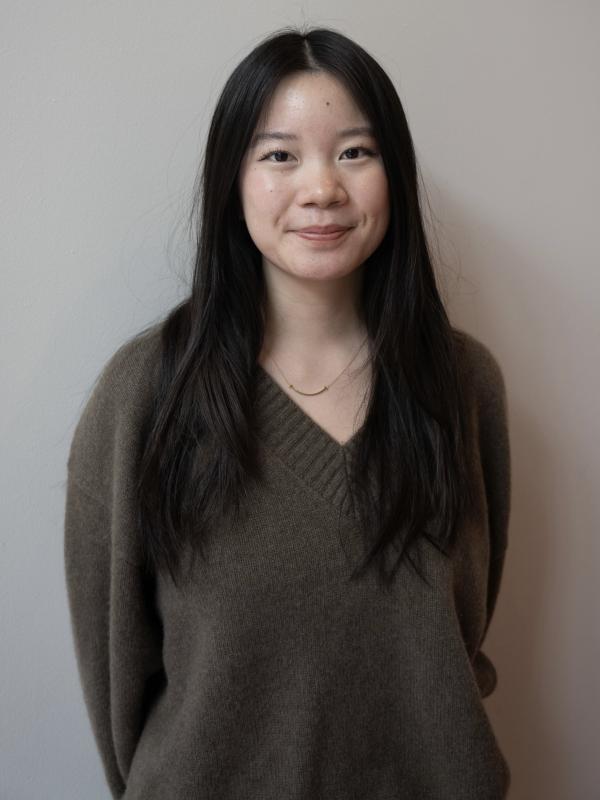
As a third-year bioengineering major, I’m enthusiastic about studying the intersections between my major and neurology through translational research. A majority of my work concerns the application of neuromodulation (modifying neural activity by delivering electric/magnetic impulses) and how these techniques can be used to clinically alleviate cognitive impairments in various mechanisms of disease/injury (stroke, dementia, small vessel disease, etc). With UScholars' support in Summer 2025, I've continued my research with Dr. Kelly Sloane at the Laboratory for Cognition and Neural Stimulation (LCNS) while exploring new areas of interest. These projects range from benchmarking large language models (LLMs) as alternative methods to automate time and labor-intensive processes in the transcription of impaired speech to surveying healthcare providers and patients to evaluate the quality of care in post-stroke patients. Outside of research, I enjoy perusing through second-hand bookstores and learning trendy choreographies that I find on YouTube with friends.
- Peer Mentor Group Lead
- SEAS Orientation Peer Advisor